
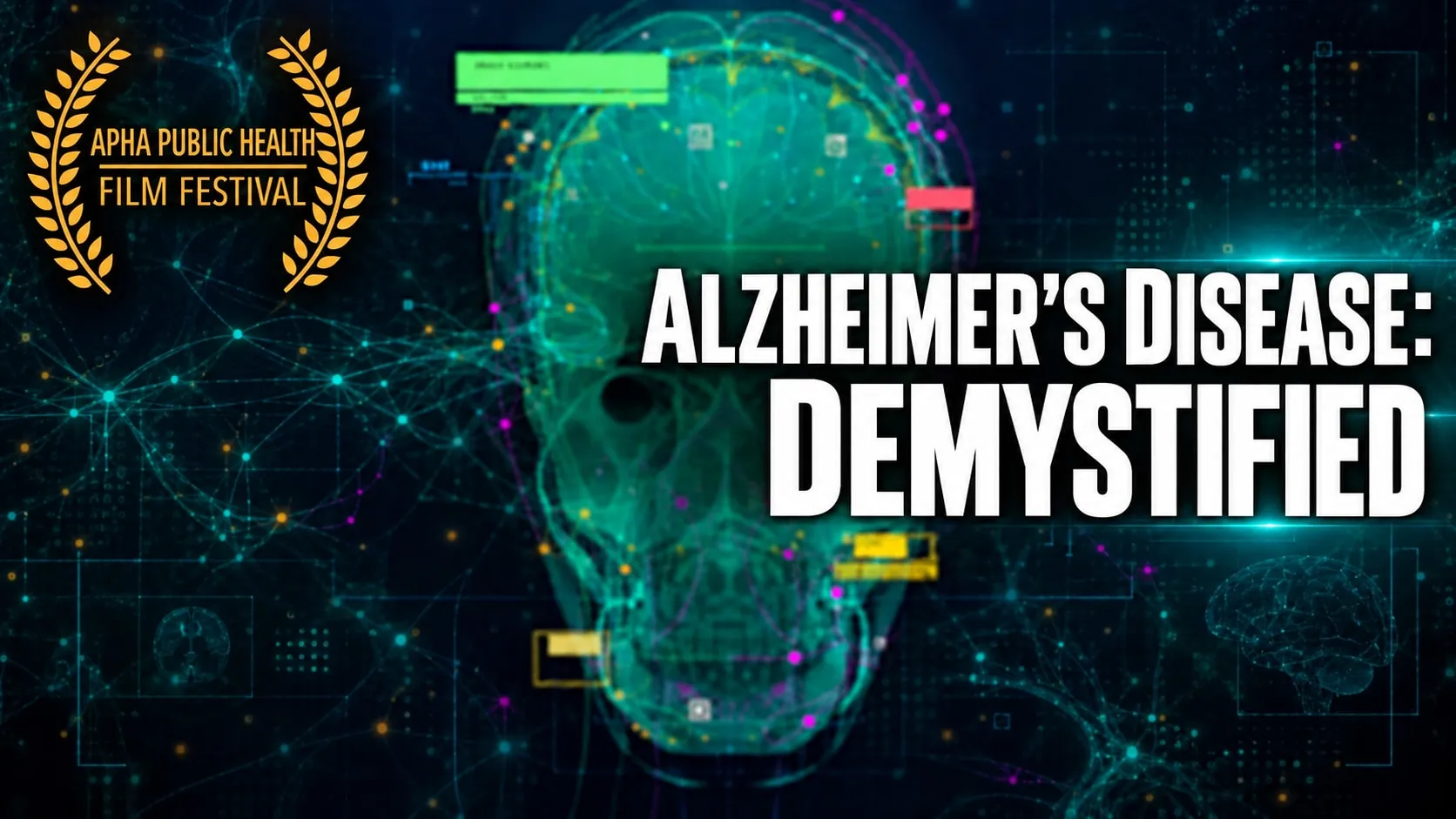
Alzheimer's Disease: Demystified
A five-film series on neurocognitive aging for California State University, Fullerton, made under the NAARE research and education program: how the brain ages, health disparities and Alzheimer's, the risk factors you can change, how population studies are designed, and how brain imaging is analyzed. Made for undergraduates, and built to hold up in front of a public-health audience.
The brief
Translate active research on neurocognitive aging into a series that undergraduates would watch and instructors could assign. The science had to stay accurate while the storytelling kept it human.
“Each episode stands alone as a lesson, so the series works in a syllabus or on its own.”
The approach
Researcher interviews anchored by plain-language explainers and motion graphics that visualize brain changes, risk factors, and imaging.
What we delivered
- Five-film series (the video above is a 12-minute cut from two of them)
- Researcher and clinician interviews
- Explanatory motion graphics
- Edit, color, and mix
Results
- Four of the five films selected for the APHA Public Health Film Festival 2026
- NAARE reports that more than 2,500 Cal State Fullerton students have watched the curriculum these films belong to, in their classes
Alzheimer's Disease: Demystified, film by film
The five films, in order
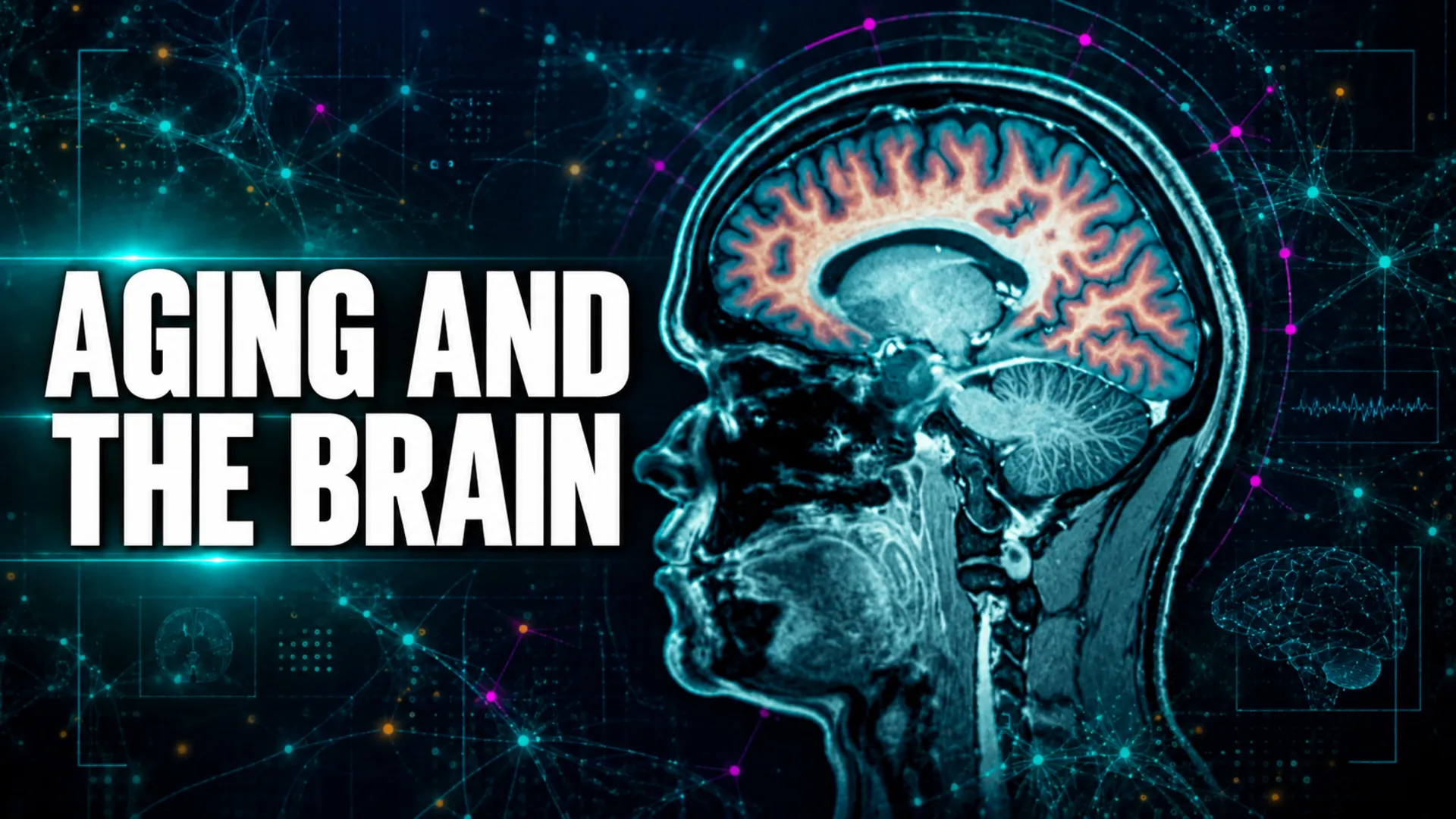
Aging and the Brain
Selected for APHA 2026: in-person screening with a panel
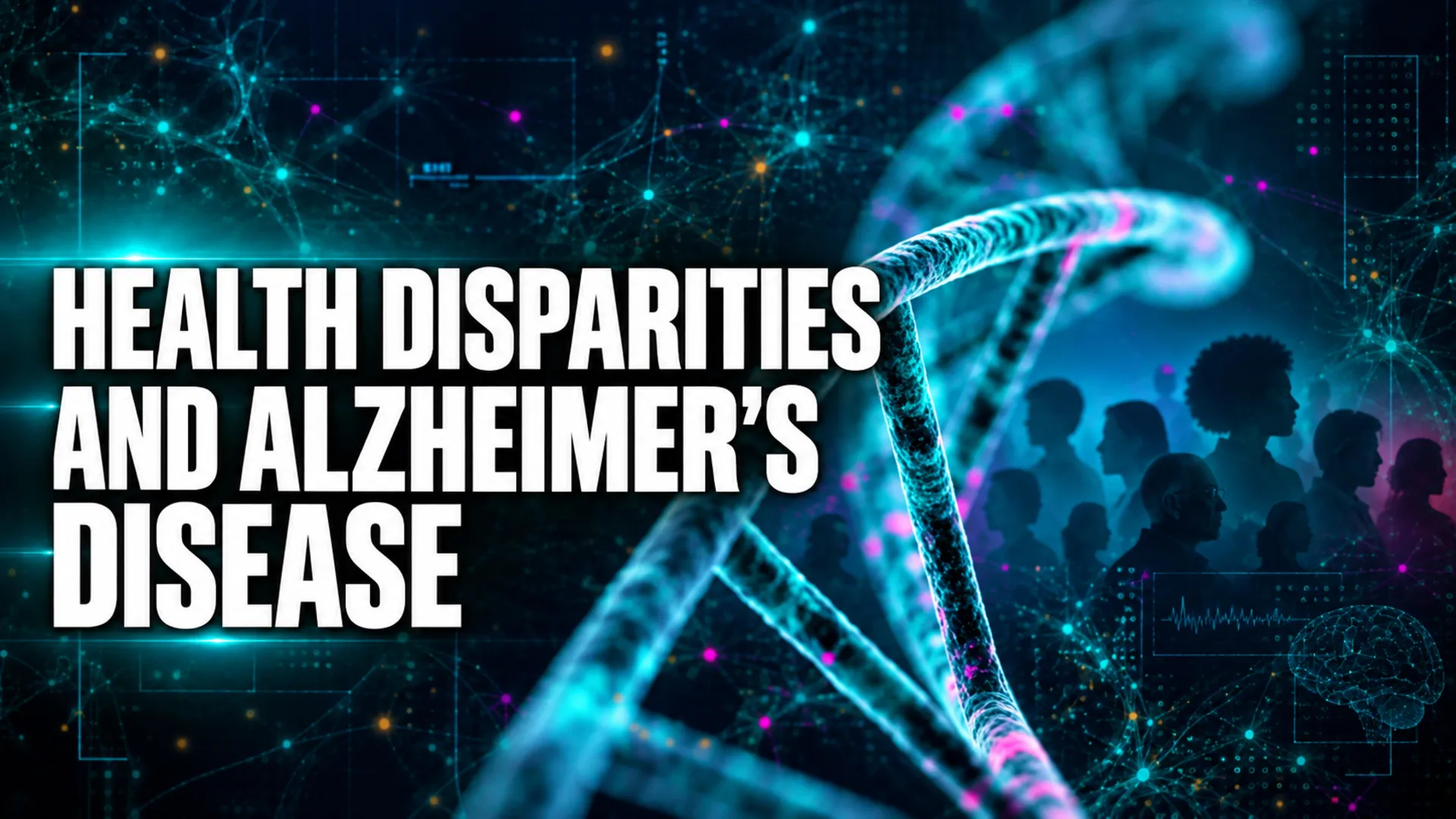
Health Disparities and Alzheimer's Disease
Selected for APHA 2026: digital
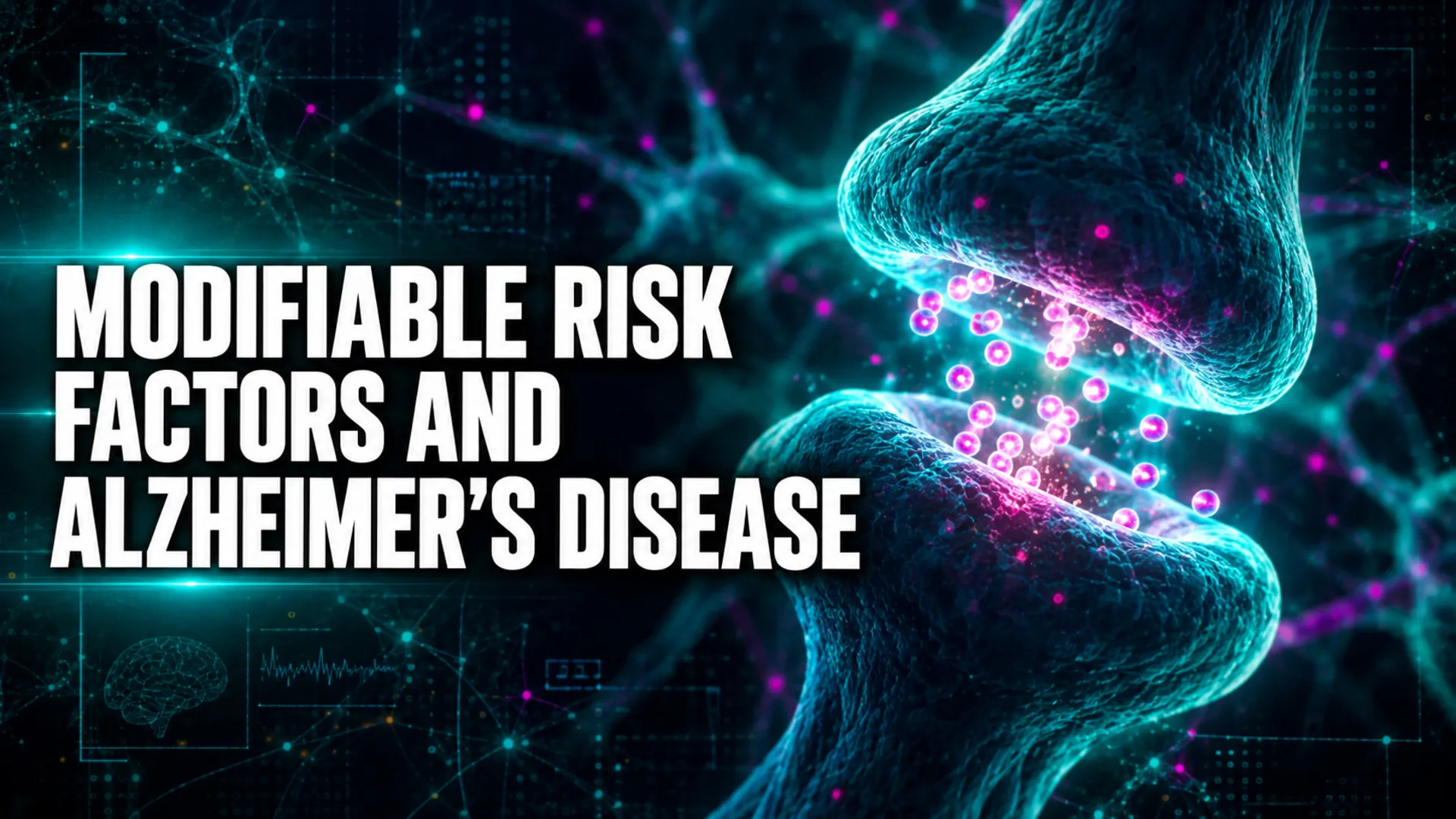
Modifiable Risk Factors and Alzheimer's Disease
Selected for APHA 2026: in person and digital
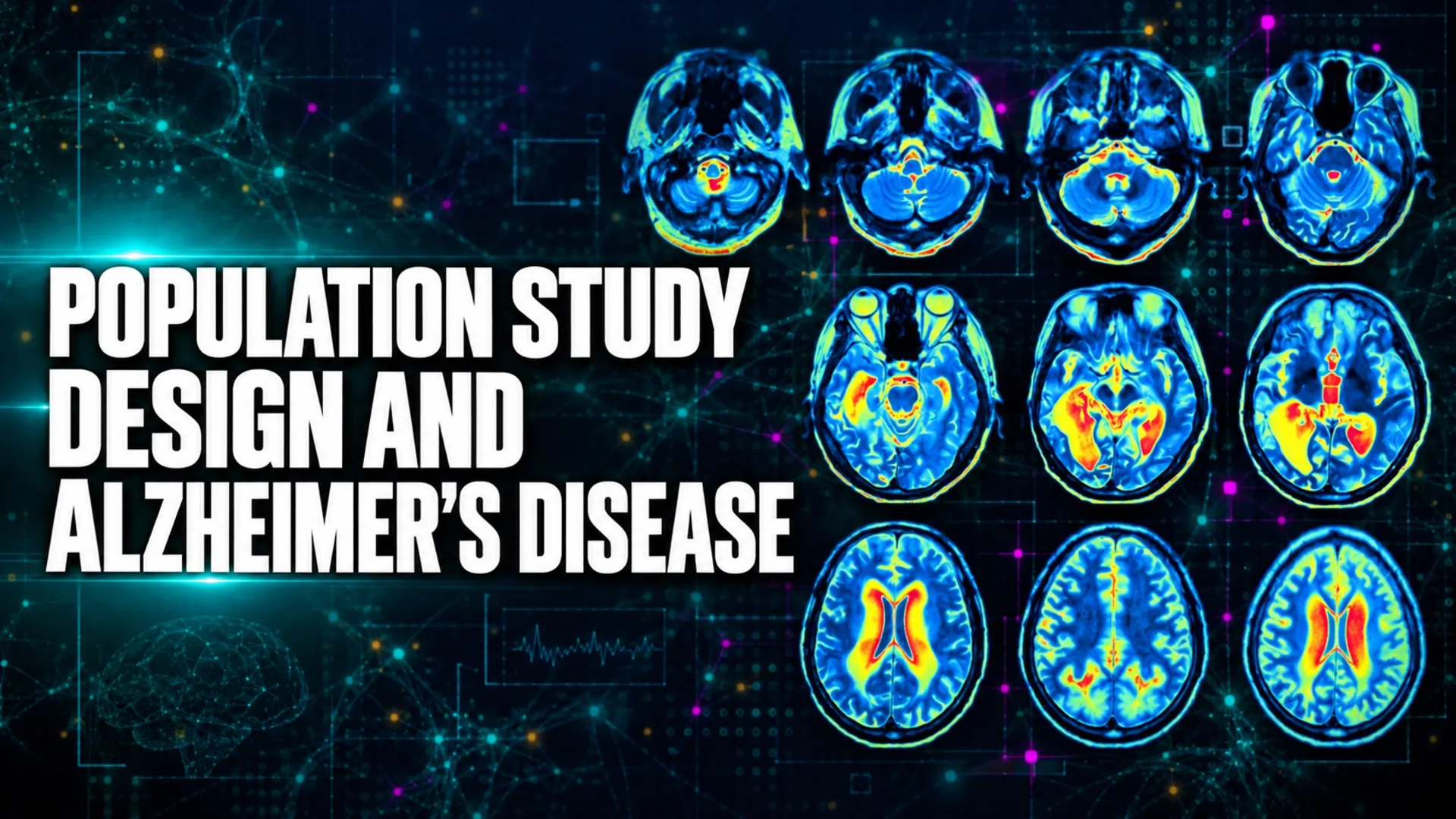
Population Study Design and Alzheimer's Disease

Neuroimaging Analytics